
A Mini Wine Guide to France
French wine feels intimidating but doesn't have to be. I’m sharing a few tricks to decode the French wine system — and help build the confidence to trust your own palate.
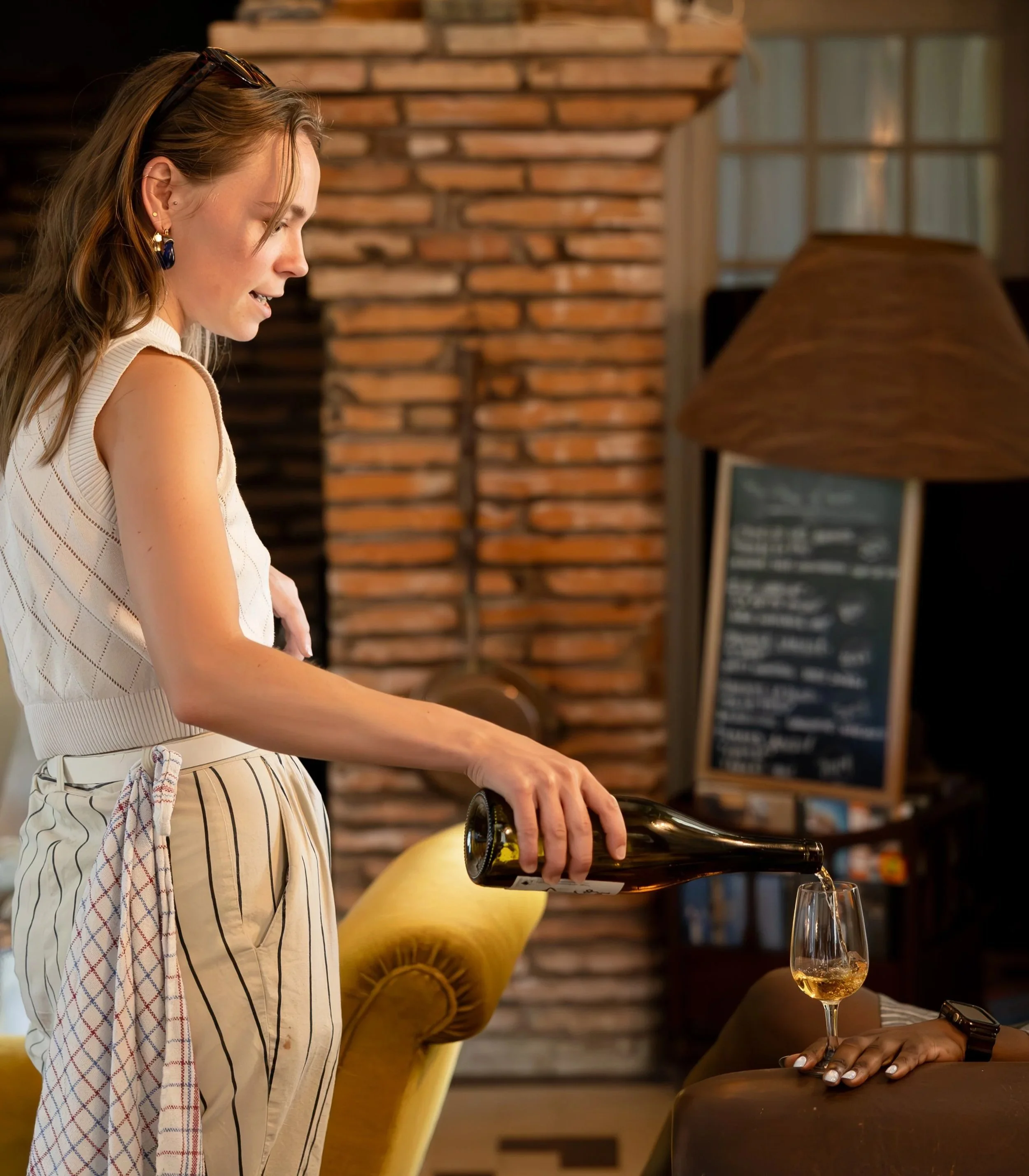
Hi! I’m Esmé and I run the wine program at Rêverie, and I still feel like I'm learning. That's the whole point. Wine isn't something you master. It's something you enjoy.
Here's what you actually need to know.
Psst… prefer this blog post in a handy PDF you can download and port with you to France? Grab it here.

"I don't feel like I can claim to be an expert of any kind. I know what I know, I know what I like, I know what I've enjoyed.”
1. The Grape Translation Guide
French wines are labeled by region, not grape. So if you know you like Pinot Noir but the menu just says "Burgundy," here's your decoder:
Cabernet Sauvignon → Bordeaux (Left Bank: Pauillac, Margaux, Saint-Estèphe)
Merlot → Bordeaux (Right Bank: Pomerol, Saint-Émilion — softer, rounder)
Pinot Noir → Burgundy (Gevrey-Chambertin, Nuits-Saint-Georges, or "Bourgogne Rouge")
Chardonnay → Burgundy (Chablis, Meursault) or Jura (L’étoile - it’s a little brighter and mineral, salty with crystal acidity)
Sauvignon Blanc → Sancerre or Pouilly-Fumé (Loire Valley)
Syrah → Northern Rhône (Côte-Rôtie, Hermitage, Crozes-Hermitage)
Grenache blends → Southern Rhône (Châteauneuf-du-Pape, Côtes du Rhône)
Big, bold red blends → Languedoc (Corbières, Minervois, Pic Saint-Loup — Grenache, Syrah, Mourvèdre, Carignan)
Cinsault, Grenache, Mourvèdre … Rosé → Provence (light, dry, vibrant fruit)
These general notes make ordering and understanding a French wine list so much easier.
2. How to Break Down the French Wine List
I still get intimidated sometimes. Here's my strategy:
Go by region first. Say "I'm looking for something from the Loire Valley" or "Do you have any Languedoc reds?". Maybe you don’t quite know what you what regions you prefer? →
Tell them what you're eating. French culture expects this. Say, "I'm making clam spaghetti tonight, something garlicky" and they'll guide you.
Use simple descriptors. "Light," "chilled red," "approachable," "not too funky." Try to note what you like in the richness of the wine, or the color or the fruit!
Ask to taste. If they're serving by the glass, they'll let you try it first.
If you want natural wine but not too weird: "Keep it mellow. Nothing barnyard-y or super natty."
3. The Geography Trick for Pairing
Wine and food have evolved together. They're shaped by the same land, climate, and culture. So if you pair things from the same region, you'll almost always land on something harmonious.
Think of pairing like looking at a map.
Eating seafood? Look for wines from coastal regions. Melon de Bourgogne (Muscadet) from the Loire Valley, right near the Atlantic, is perfect for oysters.
Making duck or cassoulet? Go southwest France. Malbecs from Cahors or Loin de l'Oeil from Gaillac.
Grilled meats or hearty stews? Languedoc reds (Corbières, Minervois).
Wine and food have this flirtatious relationship — each one pulling out bold new flavors in the other. The right wine gives the food more passion. The food gives the wine new depth. And the wrong match? That can leave a pretty unpleasant taste in your mouth.
4. What "Vin de France" Actually Means
If you see "Vin de France" on a label, it tells you nothing about where it's from or what grape it is. It's the most frustrating thing about French wine labels.
But here's the thing: it often means the producer is doing something experimental or natural and doesn't want to be restricted by appellation rules. This means
Don't assume it's bad or shy away from the unknown. Ask about it, or try it! Often it’s a very pleasant and unique surprise and you avoid the price tag associated with an Appellation name.
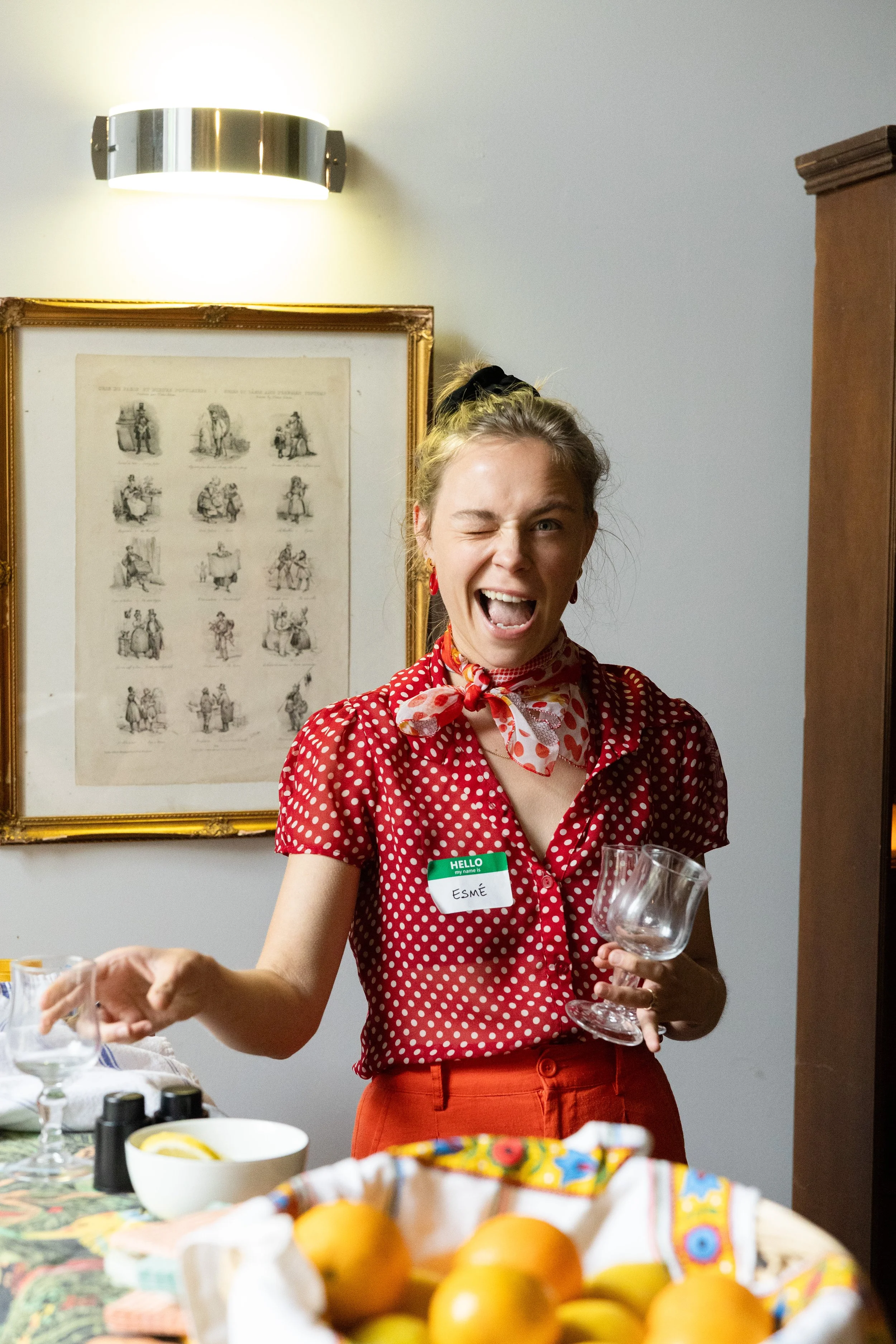
“I'm still unlearning things that I learned just six years ago. It's really fun. It means that it's something that's forever evolving and changing."
5. Natural Wine vs. Traditional Wine
Traditional wine follows rules. Specific appellations have strict regulations. The result? Consistency, elegance, a clear flavor profile.
Natural wine says "screw the rules." Minimal intervention, natural fermentation, little to no sulfites. The result? Funky, surprising, alive. Sometimes weird. Often exciting.
I lean toward natural wines because they're more fun. You get more of that "whoa, I didn't expect that" moment. But I also pour traditional wines when they're the right pairing for a meal. Sometimes knowing what you’re going to get is exactly what you want. Sometimes, the art is in subverting your expectations and having a little fun.
6. My Favorite French Wines (The Ones You Need to Try)
Savagnin Blanc from Jura — My #1. Not to be mistaken with Sauvignon Blanc. This is high-altitude, mineral and almost salty. Incredible texture. The tastiest thing in my little French wine world.
Chardonnay from Jura — Nothing like California Chardonnay. No butter but a different sort of velvety-ness. Think neutral oak with a cooler, crispier and more electric acidity. An oxidative surprise here and there and firm mineral finish.
Jurançon Sec — Underrated dry white wines from the southwest. Look for Clos Larrouyat 2021 or 2019 vintage “Comète” wine. It changed my life!
Gaillac — Northeast of Toulouse. I've had so many inspiring, fun wines from here lately. Impress the next wine-merchant in France by asking for a “L’oin de L’oeil” from Gaillac, it’s worth it!
Loire Valley — Where things get weird and wonderful. Where some of your well-known favourites meet some wild new territory. A lot of the most famous nerdy natural winemakers in France started projects here. It’s vast, it’s diverse, and it’s well worth exploring across the whole terrain.
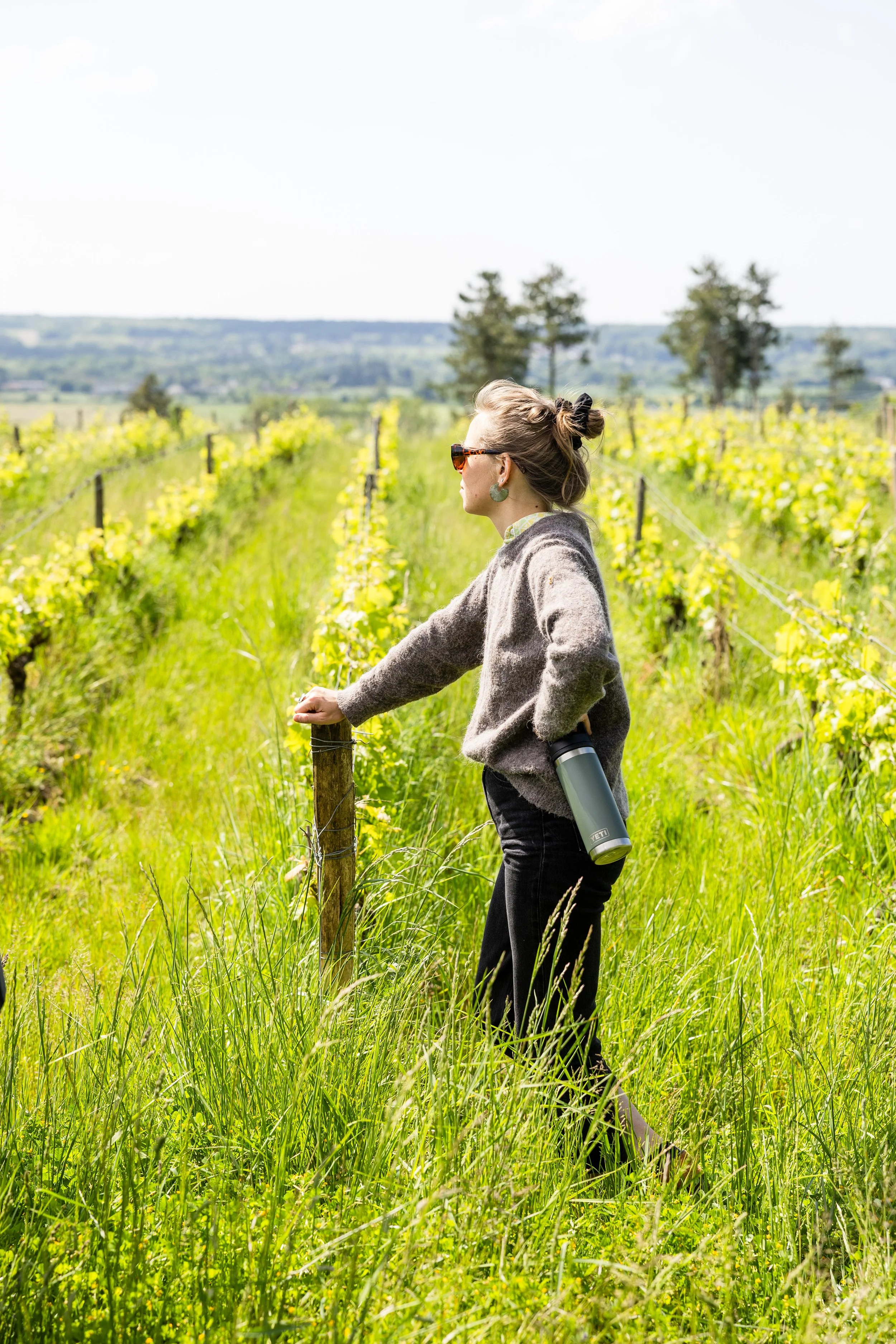
"Natural wines are more fun. They're less predictable. You get more of that 'whoa, I didn't expect that' moment."
7. How Cheap Can You Go?
Lower alcohol wines (think 9-11.5%) are often softer, fresher, and easier to drink — especially at the price point. Bonus points if you spot the little green “bio” label: organic practices, cleaner farming, and often fewer headaches..
Love Sancerre? Skip the fancy name and look for a Loire Valley Sauvignon Blanc without the AOC. Same grape, same neighborhood, way less hype. You’re paying for the juice, not the pedigree.
Even box wine in France is legitimately good. Some really renowned producers do their wines in bag-in-box format. You can get three liters for like 12 euros and it’s perfect for picnics, parties, a glass while you cook!
8. How to Talk About Wine
Stop using the words on the back of the bottle. Just describe what you're experiencing:
"This is lighter than I expected."
"I'm getting a lot of fruit here."
"This feels really smooth."
"This has some funk to it — in a good way."
"This is making my mouth feel dry." (That's tannins.)
Your version of "full-bodied" might not be the same as someone else's. And that's fine.
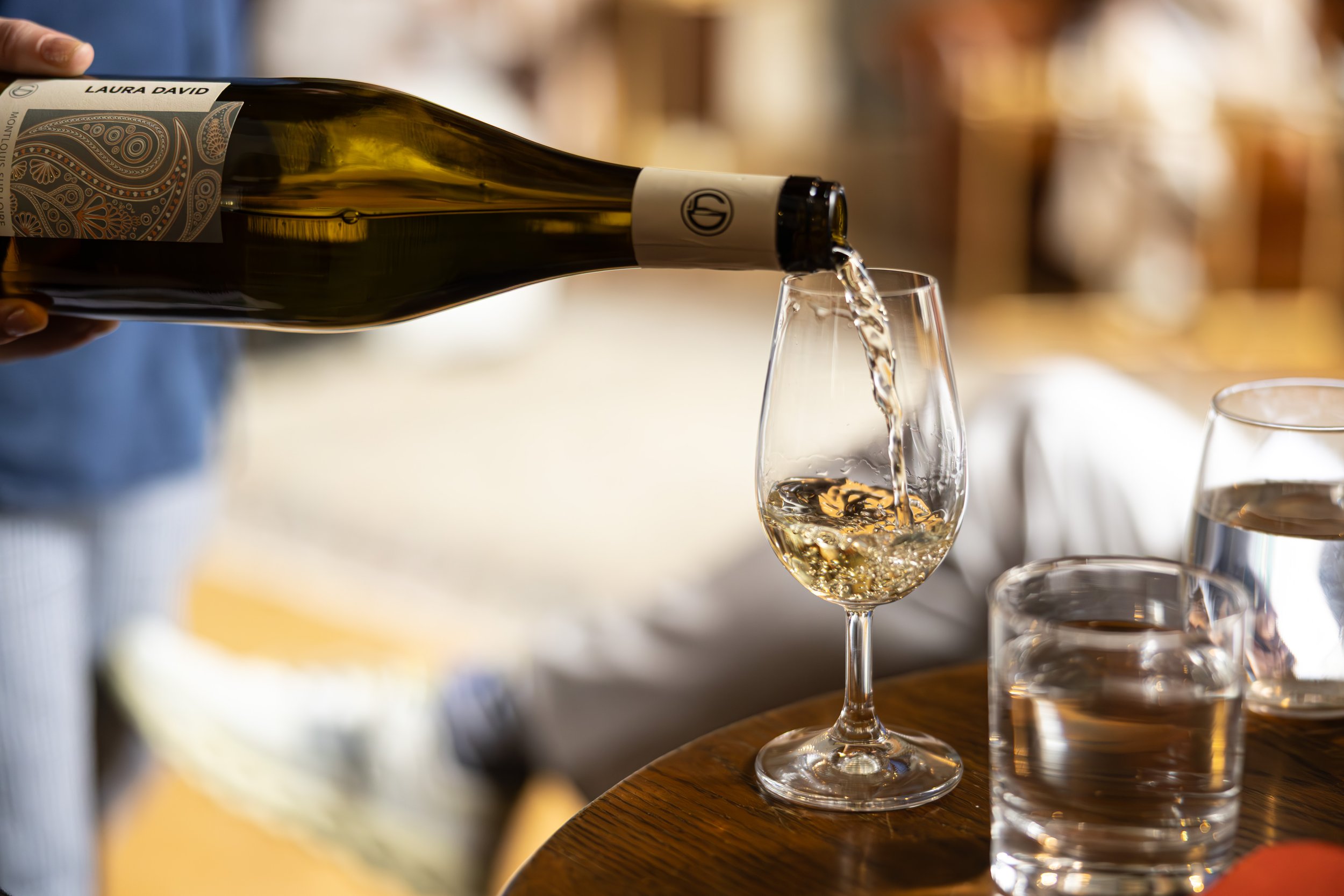
The Only Thing That Actually Matters
Trust your palate. Just because someone else likes a wine doesn't mean you will. And just because it's a "higher quality" wine doesn't mean you need to enjoy it.
Wine should make you feel good. Not anxious.
That's it. That's the whole thing.
If you’d rather learn about French wine with a glass in hand — in France, with Esme nearby, and zero pressure to “know anything” — that’s exactly what our retreats are for.
Wine education, yes. Pretension, absolutely not.
Join us in Provence for our October 2026 wine retreat with Woodland Wine Merchant — or explore all of our retreats and find the one that feels like yours.
